
Obesity drug development is often described as a gold rush, which sounds exciting until you remember what gold rushes actually look like: too many prospectors, enormous spending and a very large pile of abandoned holes.
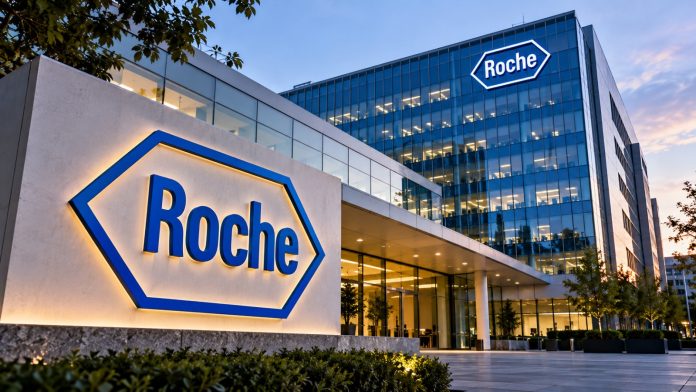
Roche supplied a fresh example when it stopped developing emugrobart for obesity after a mid-stage study suggested the drug was unlikely to meet the company’s internal efficacy expectations.
A Billion-Dollar Forecast Meets the Data
The decision is striking because emugrobart was not treated like a trivial side project. Reuters reported that Roche had previously modeled peak annual sales of roughly 1 billion to 2 billion Swiss francs.
The drug came from Chugai Pharmaceutical, Roche’s majority-owned Japanese partner, and was being explored as part of Roche’s broader push into metabolic medicine. Then the data arrived, the internal bar was not cleared, and the obesity program was cut.
A drug does not merely have to work anymore. It has to work well enough to survive the obesity arms race.
The Bar Keeps Moving
This is what changes when the standard of care moves as fast as it has in obesity. A drug does not merely have to work. It has to work well enough to justify years of additional trials while competing against semaglutide, tirzepatide, higher-dose semaglutide, oral agents, amylin analogues, GLP-1/glucagon combinations, triple agonists and whatever arrives next.
A candidate that might have looked commercially interesting five years ago can now look mediocre before Phase 3 begins.

Roche Is Not Leaving Obesity
Roche is not leaving obesity. Far from it. The company still has other injectable and oral programs it believes could become major products, including enicepatide and its collaboration around petrelintide.
That makes the emugrobart decision more revealing, not less. Companies with multiple shots on goal can afford to kill programs earlier and move capital toward the candidates with the strongest probability of becoming category leaders.
Pipeline Headlines Are Not Future Product Catalogs
There is also a reminder here for anyone who treats early pipeline announcements like future product catalogs. Preclinical results are not Phase 2 results. Phase 2 results are not approvals. Corporate peak-sales estimates are not destiny.
Biology eventually gets a vote.
The obesity field is now littered with programs that were once described as differentiated, promising or potentially blockbuster.
The Same Molecule Can Have Another Life
Chugai plans to take emugrobart back and continue exploring it in spinal muscular atrophy, where earlier data may support a different development path.
The same molecule can be a disappointment in one disease and still be worth pursuing in another. Drug development is rarely the clean victory-or-failure narrative that press releases encourage.
What a Gold Rush Looks Like Up Close
The more crowded obesity becomes, the more ruthless this sorting process will get. That may be healthy for science. It is definitely expensive for everyone paying to find out.


